
 Home
Home Our villas
 About us
 Services
 Owners
  Investors
 Join us
 About Portugal
 Loyalty Program
 Blog
Blog Contacts
Portugal has a long relationship with wine, though most visitors only scratch the surface. If you have even the slightest interest in exploring Portugal wines, the country hands you a mix of old vineyards, modern producers, small family estates, and coastal tasting rooms that feel almost too relaxed for how good the bottles are. If you’re planning a trip for a late-season break, you might want to check Portugal in December too, as the wine regions feel completely different at that time of year.
This guide keeps things simple. No jargon. No fuss. Just a clear path through the places, styles, and tasting spots that make wine such an important part of travelling around the country.
Introduction to Portuguese Wines
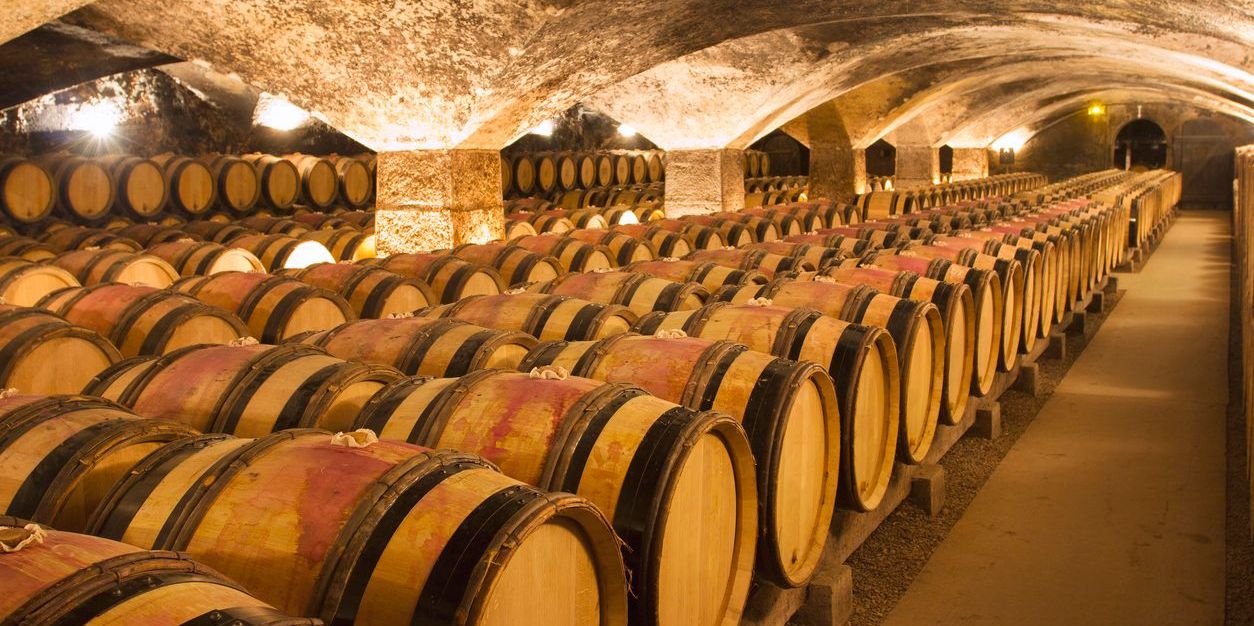
Portugal has more than 250 native grape varieties, which is part of the reason its bottles stand out so easily. You can drink something here that you will never find on a supermarket shelf back home. Portuguese wine traditions go back centuries, yet producers have been updating methods without wiping out the character that makes the country’s wine interesting.
You will find richer reds in the north, light coastal whites closer to Lisbon, and the famous fortified wines of Porto. Visiting wine areas while travelling around the country feels very similar to exploring beaches or hiking routes. You get a sense of contrast at every turn. If you’re heading through Lisbon or Cascais, pair the trip with some classic regional tasting rooms. While there, you can also explore a few of the local highlights, from Douro Portugal wine river views to the sandy coves in Setúbal.
Main Wine Regions in Portugal
Portugal is compact, so wine-hopping is easier than you think. The country’s best-known wine regions offer very different experiences.
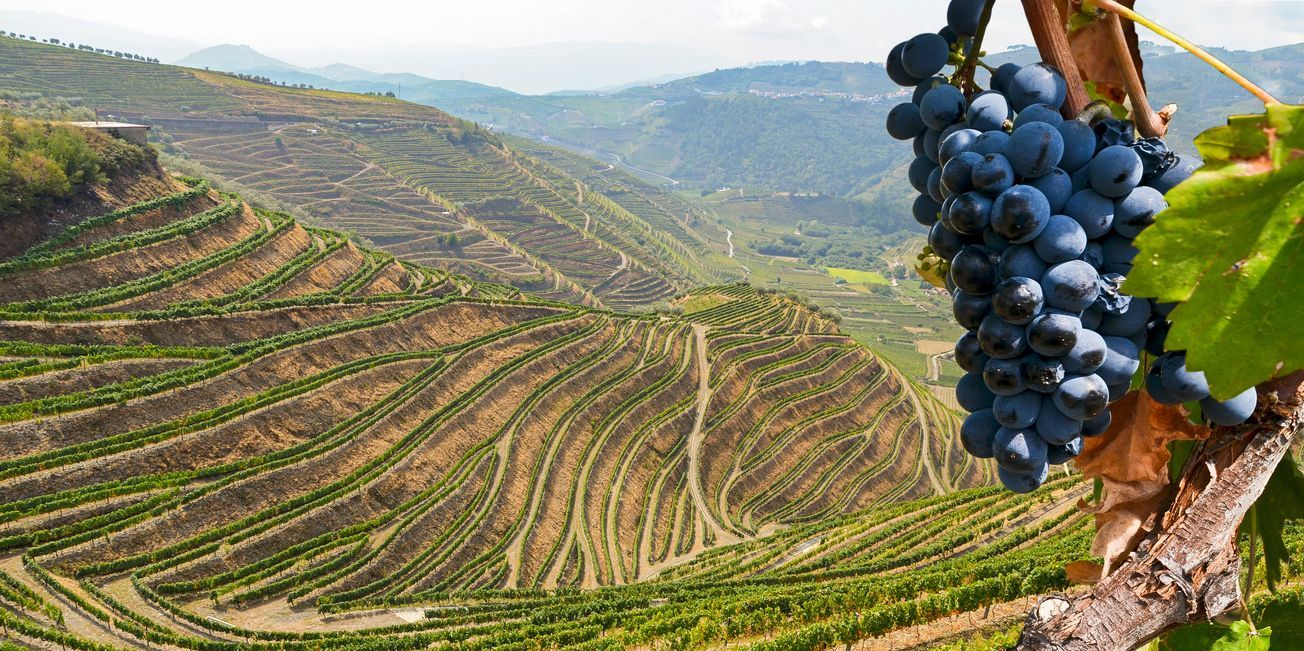
The Douro Valley is probably the most photographed wine area. Terraced slopes, riverboats, and historical estates all crowd into the same view. It’s also home to the grapes used to make Port and some of the best wine in Portugal.
Alentejo sits further south and stretches across warm inland plains. Reds here tend to be rounder, fuller, and ideal with the grilled dishes the region is known for.
Then there’s the Lisboa wine region. It surrounds the capital in a surprisingly rural arc. This is one of the easiest regions to reach, especially if you’re already using Lisbon as your base to explore other spots like Sintra or Arrábida. If you plan to travel in spring, the vines are at their best from late April. You can read more about the season in our guide to Portugal in April.
Finally, the Minho region in the far north is the birthplace of vinho verde. It’s cooler, greener, and close enough to the Atlantic to give the wines their crisp style.
Together, these areas form the backbone of Portugal wine regions, though you will find smaller, equally charming pockets elsewhere.
Famous Local Wine Styles
Portugal produces a wide range of wine styles. You get powerful reds in the Douro and Dão. You find lighter coastal whites around Lisbon and Setúbal. Then there are more specialised styles like Moscatel or fortified wines from the Douro.
Many bars and restaurants now highlight regional bottles rather than sticking to a handful of big names. This has made it easier to try unfamiliar grape varieties without the guesswork. If you’re staying near the coast, try a fresher white with seafood. Inland restaurants tend to favour reds with richer stews. You can always ask for local recommendations since most places are used to visitors who want to explore beyond the obvious options.
Green Wine (Vinho Verde)
Vinho verde translates to “green wine”, yet it has nothing to do with colour. The name refers to its youth. These wines are made to be drunk early. They are lightly fizzy, crisp, and incredibly refreshing on a warm afternoon. Locals treat it as an easy everyday wine rather than something for special occasions.
Bottles labelled green wine Portugal usually come from the Minho region. Climate plays a big role here. It’s cooler and wetter than much of the country, which produces a fresher style of wine. Vinho verde works well with seafood, salads, grilled sardines, and anything else with a saltier taste.
If you have never tried it before, expect something simple but clean. Nothing heavy. Nothing complicated.
Rosé and Regional Varieties
Portugal has become well-known for rosé in the past decade. Producers across the country now take it seriously rather than treating it as a side project. Bottles labelled Portugal rose wine, or Portugal rosé wine, range from pale and dry to fuller and fruitier.
Regional varieties offer even more flexibility. Winemakers often mix native grapes like Touriga Nacional, Baga, Arinto, or Antão Vaz to create styles that are unmistakably Portuguese. This is one of the country’s strengths. You’re rarely drinking a copy of anything from elsewhere.
If you’re travelling through the Algarve, you will notice more producers experimenting with local blends. It pairs nicely with the coastal food scene and warm evenings. For more travel ideas, see our blog on Holidays in the Algarve.

Wine Tasting Options in Lisbon
Lisbon is one of the easiest cities in Europe for wine tasting. You can stay inside the city and still try producers from almost every region. Tastings are increasingly informal, too. Many bars let you choose small pours so you can compare bottles without feeling like you need to commit to a full afternoon session.
Tour operators also run short vineyard trips just outside the city. These take you into the rural areas of the Lisboa region and often include a few small family estates. If you want something even closer to the centre, drop into a specialist wine bar and ask for a quick introduction to wine tasting Lisbon Portugal. Staff are usually keen to point out their favourite lesser-known bottles.
Combine this with a bit of sightseeing through the city and you get a neat balance between culture and food. If you have never visited before, our Lisbon sightseeing guide might help.
Your Portugal Wine Journey Starts with a Great Place to Stay
Exploring Portugal wines is one of the easiest and most enjoyable ways to get to know the country. The regions are varied, the styles feel authentic, and the tasting experiences suit both beginners and seasoned wine lovers. Whether you want vineyard visits, coastal white wines, or a casual glass of vinho verde with lunch, you’ll find it without any trouble.
Planning a trip and want accommodation that fits the relaxed pace of wine travel? Allure Villas has holiday homes, beach-side apartments, stylish studios, and countryside retreats across Portugal. Take a look at what’s available and start planning your visit.